
Energy Efficient Windows: How Much Can NJ Homeowners Save?
Start with the decision, not the sales pitch
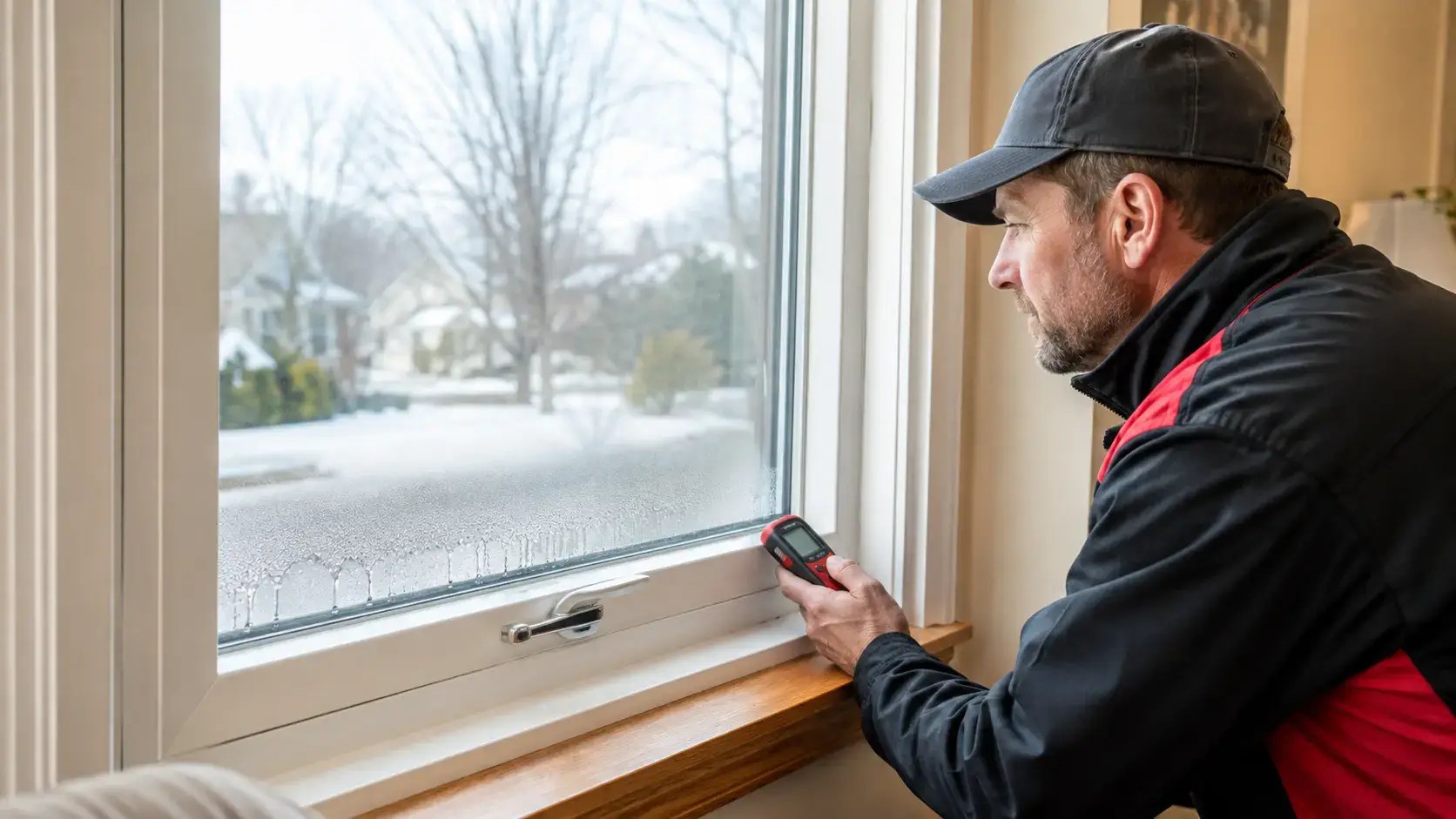
Window performance depends on the product ratings and the installation. Condensation, drafts and comfort concerns should be separated before replacement decisions are made.


Use this comparison before you decide
| Decision point | What to review | Question to ask |
|---|---|---|
| Symptom location | Interior, between glass and exterior condensation suggest different issues | Where and when does the moisture appear? |
| Product ratings | U factor and solar heat gain should fit the climate and goals | What NFRC ratings appear on the label? |
| Opening condition | Sizing, flashing and surrounding materials affect installation | What opening preparation and finish work are included? |
| Claimed savings | Actual results depend on the home and usage | What documented basis supports any savings claim? |
If you feel a cold draft beside a closed window, see condensation between glass panes or struggle with rooms that overheat in summer, window replacement may improve more than appearance. It can address air leakage, comfort, operation and water management at one of the most detailed parts of the exterior wall.
How much will it save? There is no responsible single dollar answer for every New Jersey house. ENERGY STAR states that replacing single pane windows with certified windows can reduce household energy bills by up to 13 percent nationwide. Its published consumer messaging has also cited average national annual savings ranges, but neither figure is a promise for a particular NJ home.
Actual results depend on what you have now, the new window, the quality of installation, the rest of the building enclosure, local energy rates and how the home is used. Here is how to evaluate the project without relying on an inflated sales claim.
Start with the reason for replacement
Homeowners often combine several goals:
- Reduce noticeable drafts
- Improve comfort near windows
- Replace fogged insulated glass
- Restore operation and locking
- Address damaged frames or trim
- Reduce outside noise
- Update curb appeal
- Simplify cleaning
- Improve energy performance
Rank these goals before comparing products. A window selected only for a low U factor may not solve water damage around an opening or an installation problem.
What the national savings estimate means
ENERGY STAR's up to 13 percent figure applies to replacing single pane windows with certified products in a nationwide context. Homes with very poor existing windows may have more opportunity than homes with reasonably tight double pane units. Climate, window area and mechanical systems also matter.
The Department of Energy notes that heat gain and heat loss through windows account for a meaningful share of residential heating and cooling energy use. That does not mean replacing windows removes that entire share. Walls, attic insulation, ducts, air leakage and equipment remain part of the total load.
Use national estimates as a screening reference, not a personalized forecast.
The ratings that matter
U factor
U factor describes how readily heat moves through the complete window. A lower number indicates better resistance to heat flow. Compare whole product ratings, not only center of glass values.
Solar heat gain coefficient
The solar heat gain coefficient describes how much solar heat passes through. Lower values reduce solar gain. The right balance may differ by window orientation, shade and comfort goals.
Air leakage
Air leakage measures air movement through the window assembly under test conditions. Installation gaps around the unit are separate, which is why a high performance product still needs correct air sealing.
Visible transmittance
Visible transmittance indicates how much visible light passes through. Very low solar gain does not always mean a dark room, but compare actual glass packages.
Look for the NFRC label, which provides independent performance ratings. ENERGY STAR certification applies regional criteria using those ratings.
Product performance and installation are inseparable
A quality window installed in an unprepared opening can leak air or water. A careful installation includes the opening, flashing, shims, fasteners, insulation or sealant at the perimeter and interior and exterior finishing.
Contractor scope should explain:
- Whether the project uses an insert or full frame method
- What existing components remain
- How the opening will be inspected
- How water is directed to the exterior
- How perimeter gaps are sealed
- What trim and finish work is included
- How concealed damage is handled
Insert versus full frame replacement
An insert window fits within an existing frame. It can reduce disturbance and preserve trim when the frame is sound, square and properly managed. It also slightly reduces glass area and does not expose every concealed condition.
A full frame replacement removes the old unit to the rough opening. It provides more access to the opening, flashing and damaged materials, but involves more labor and finish work.
Neither method is automatically better. The condition of the existing frame and the project goals should drive the choice.
Get a window recommendation based on your home
Donny's Home Improvement can review qualifying replacement window projects and explain available product and installation options. Request a free estimate or call 973 333 6364 for a New Jersey consultation.
Signs replacement deserves consideration
Fogging between panes
Condensation sealed between panes usually indicates an insulated glass seal problem. It is different from room side condensation caused by indoor humidity and cold glass.
Difficult operation
Windows that bind, will not stay open or fail to lock can create safety, security and ventilation concerns. Hardware may sometimes be repairable, but widespread frame wear can favor replacement.
Frame deterioration
Soft wood, open joints, corrosion or persistent staining require a close look. Determine whether the source is the window, surrounding flashing, siding or another exterior detail.
Noticeable drafts
Air movement may come through the sash, frame, perimeter or nearby wall. A draft is a useful symptom but not a precise energy audit.
Single pane glass
Older single pane units generally offer more room for thermal improvement than modern insulated windows. Storm windows may alter the comparison, so document the existing assembly.
Comfort benefits may arrive before bill savings
Homeowners often notice warmer interior glass in winter, fewer drafts or more consistent room temperatures. Those changes can make spaces near windows usable again even when the utility bill change is modest.
Low emissivity coatings and insulated glass can reduce radiant heat transfer. Better weatherstripping and perimeter sealing can reduce air movement. Glass selection can also help control summer solar gain in exposed rooms.
Comfort is valuable, but it should not be converted into a guaranteed payback claim.
Condensation needs a careful diagnosis
Interior surface condensation occurs when humid indoor air reaches a cold surface. Better windows may keep the interior glass warmer, but indoor humidity, outdoor temperature, blinds and air circulation still affect the result.
Condensation between panes points to a failed sealed glass unit. Water staining around trim may indicate exterior leakage, plumbing or another source. Diagnose the location and pattern before choosing a fix.
Coordinate windows with siding
If siding replacement is also planned, coordinating the projects can improve access to window flashing and exterior trim. The ideal sequence depends on the window method, wall condition and products.
Ask one party to define responsibility for the transition between the window and siding. That narrow joint is too important to leave between contracts. Donny's verified siding service page can support combined exterior planning.
How to compare window estimates
Every proposal should identify:
- Manufacturer and product line
- Frame material and color
- Glass package
- NFRC ratings
- ENERGY STAR status for the region
- Window style and operation
- Insert or full frame method
- Flashing and sealing scope
- Interior and exterior trim
- Screens and hardware
- Disposal and protection
- Product and labor warranties
Ask whether permits are required and who handles them. Avoid comparing two totals until the scopes match.
A practical savings decision
The strongest case for replacement often combines multiple benefits: failing units, drafts, difficult operation, comfort problems and a desire to update the exterior. If the only objective is rapid energy payback, compare windows with lower cost air sealing and insulation measures too.
A property specific estimate should never promise an exact utility reduction. It should document existing conditions, proposed ratings, installation and exclusions.
Explore Donny's replacement window services. To discuss your home, request a free estimate or call 973 333 6364.
Frequently Asked Questions
1. How much can replacement windows save NJ homeowners?
ENERGY STAR says replacing single pane windows with certified products can lower household energy bills by up to 13 percent nationwide. Actual NJ savings vary with existing windows, product ratings, installation, window area, energy prices, weather and household habits. Request a home specific assessment rather than relying on a guaranteed percentage. A qualified site review can connect this general guidance to the actual materials, exposure, condition and planned scope before work begins.
2. Are replacement windows worth it if I already have double pane glass?
It depends on condition and performance. Sound, reasonably tight double pane windows may offer less energy savings than single pane units. Replacement can still make sense for failed seals, drafts, damaged frames, poor operation, water concerns, noise or appearance. Diagnose the existing window before choosing. Ask the contractor to document the observed condition, proposed response, important exclusions and assumptions that could change after materials are removed.
3. What is a good U factor for New Jersey windows?
Lower U factors indicate less heat transfer, but the correct product should meet current ENERGY STAR regional criteria and project requirements. Compare the NFRC label for the complete unit. Glass area, solar gain, air leakage and installation also affect performance, so do not select on one number alone. Photographs, product details and a clear written scope make it easier to compare recommendations and preserve an accurate record for future maintenance.
4. Is an insert window as efficient as full frame replacement?
Either method can perform well when appropriate and properly installed. Inserts retain the existing frame, so that frame must be sound and well managed. Full frame work exposes the rough opening for inspection and flashing. The better method depends on existing conditions, not a universal efficiency rule. Because homes and products differ, confirm the recommendation against manufacturer instructions, local requirements, property conditions and the goals stated in the proposal.
5. Will new windows stop condensation?
New windows may keep interior glass warmer and reduce some surface condensation, but indoor humidity and outdoor temperature still matter. Condensation between panes indicates a sealed glass issue. Water around trim may have another source. Identify where moisture appears before assuming replacement will solve it. The most reliable next step is a property specific assessment that separates visible facts, likely causes, optional upgrades and work requiring another specialist.
6. Do energy efficient windows reduce outside noise?
They may, especially when replacing loose or single pane units. Glass thickness, laminated glass, air spaces, sash seals and installation influence sound. Energy ratings do not directly describe acoustical performance, so ask for product specific sound information when noise is a priority. Before approving work, verify who is responsible for permits, adjacent materials, concealed damage, cleanup, warranty registration and communication during the project.
7. How long does window replacement take?
Timing depends on quantity, size, access, installation method, trim work, weather and concealed damage. Insert installations are often less disruptive than full frame work. The contractor should give a project schedule after measuring and explain how openings will be protected each day. Use this answer as a planning guide, then ask for measurements, photographs and named products that support the recommendation for this particular home.
8. Should I replace windows and siding together?
Coordinating them can improve access to flashing and exterior trim, especially for full frame window work. It may also reduce duplicated setup. The project team should define the sequence and responsibility for every transition. Separate projects can still work when details are planned clearly. A complete proposal should explain what is included, what is excluded, how unknown conditions are priced and when the homeowner must approve changes.
9. Does ENERGY STAR certification guarantee savings?
No. Certification confirms that a product meets applicable performance criteria, not the savings in one house. Existing conditions, installation, climate, energy rates and behavior determine actual results. Use certification and NFRC ratings as product comparison tools. Keep the final contract, product information, paid invoices, permit records and completion photographs together so future owners can understand the work.
10. How do I get an accurate window estimate?
Schedule an onsite review and identify the exact windows, installation method, product line, glass package, trim and repairs. A complete written proposal should address flashing, sealing, disposal, warranties and concealed conditions. Compare equivalent scopes instead of a price per window alone. Confirm current service availability and written warranty terms before scheduling, because products, requirements and project conditions can change over time.
Frequently asked questions
What should a homeowner verify after reading “Energy Efficient Windows: How Much Can NJ Homeowners Save”?
Separate the symptom from the solution, then compare product ratings, opening preparation, installation details and written claims.
Does condensation always mean a failed window?
No. The location and timing of condensation matter. Indoor humidity, exterior conditions and failed insulated glass seals are different issues.
Which ratings help compare windows?
ENERGY STAR and NFRC labels provide standardized information such as U factor and solar heat gain coefficient.
Can exact energy savings be promised without property data?
No. Actual results depend on the home, existing windows, climate, installation, equipment and occupant behavior.
Sources used for fact checking
- ENERGY STAR residential windows, doors and skylights
- ENERGY STAR independent performance testing
- Department of Energy product guidance
Manufacturer documents, lending disclosures, municipal information and insurance requirements can change. Confirm the current document that applies to the actual property, product and agreement.
Continue your research
Request a free roofing or exterior estimate
Send the full property address and project details. Donny’s Home Improvement will review the request, confirm service availability and contact you about scheduling.
Request My Free EstimateCall 973 333 6364